Marketing
 channelsof apps with 100k+ MRR
· 2,560 apps analyzed ·










Intro
Two years ago two teenagers launched a calorie counter and paid 250 creators a monthly retainer to talk about it. Last March MyFitnessPal bought it. In between, they learned the thing every founder eventually learns about app marketing: there are only four ways to do it, and each one follows from what your product is. We took 2,560 apps making $100k or more a month and found out which way each of them chose.
How apps making $100k+ a month split by marketing pattern.
2,560 apps analysed; the split is read on the 1,505 whose Meta page we matched · September 2026
Start with the shape of the pie, because it is not the shape anyone expects. Ask a room of founders how the winners market and you will hear TikTok, creators, virality. Ask the data and seven in ten apps at $100k a month are buying their installs on Meta, most of them with nothing organic we can find. The camp everyone wants to be in, organic first, is 47 apps out of 1,505. Three percent.
Do not read that as a verdict on organic. Read it as the first clue. The rest of the story is about why the camps are the size they are, and it turns out the answer is almost never a choice the marketing team made.
Combined monthly revenue of each pattern's apps, October 2025 = 100.
1,350 apps with an estimate for every month · October 2025 to June 2026
Paid ads first: renting the audience
369 apps with 100 or more live creatives and almost nothing organic we can find.

Royal Match
Games$106Ma month
- 140live creatives
- 0videos we hold

MONOPOLY GO!
Games$93Ma month
- 248live creatives
- 0videos we hold

Tinder Dating App
Lifestyle$90Ma month
- 238live creatives
- 6videos we hold

Candy Crush Saga
Games$82Ma month
- 150live creatives
- 0videos we hold

Audible
Books & Reference$28Ma month
- 335live creatives
- 4videos we hold

Paid ads first, by revenue.
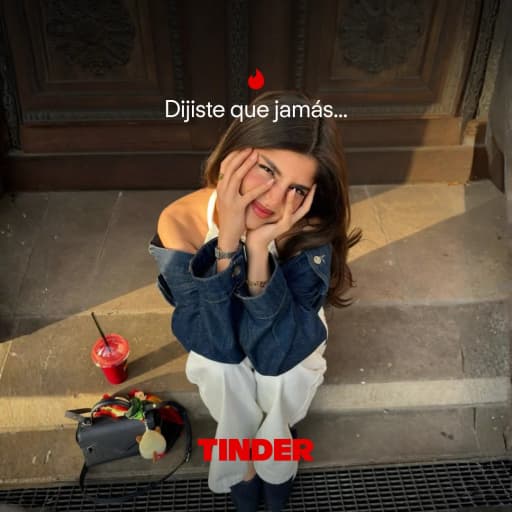
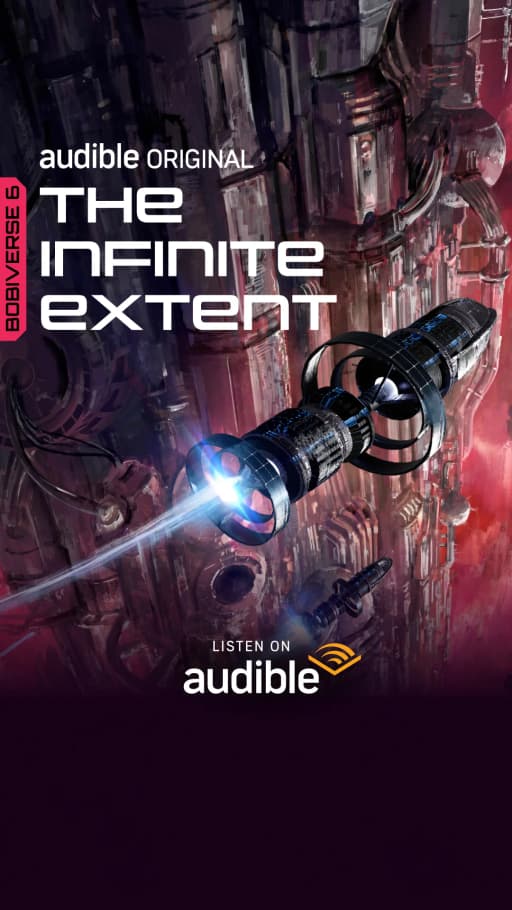
Nobody films Royal Match. Think about it: you do not open TikTok and see a person holding up their phone saying this match-3 game changed my life. Its players are not its marketers, so Dream Games rents an audience instead, 140 creatives live on Meta at any time, and Candy Crush keeps 150, Gardenscapes 261, Audible 335, Life360 366. The product cannot generate its own attention, so attention is bought, monthly, like rent.
The purest tenants are the short-drama apps. A ByteDance entry called Melolo buys 45% of its impressions on Facebook and 97% of its creatives are video. The average short-drama app ran 5,770 creatives a month in 2025. Kuku TV took 134 million downloads last year and then raised $85 million, which is what you do when the audience leaves after a week and has to be bought again: fewer than nine in a hundred installers are still there on day seven. The lease renews every month, and the creative count is the rent.
KEINE WERBUNG. 100% KOSTENLOS. 👆
🚨 KEINE WERBUNG. KEIN BATTERIEVERBRAUCH. EINFACH NUR SPIELSPASS. 🚨
Hay historias que empiezan cuando dejas de decir que no.
Descargar
The Bobiverse is back—and this time, even thousands of Bobs might not be enough. Listen to The Infinite Extent on Audible.
The Infinite Extent is out
The longest-running live creatives of Royal Match, Tinder and Audible, from the Meta Ad Library.
Organic content first: when the product films itself
47 apps with 30 or more videos in our library and no Meta ads. The smallest camp, and the one everyone wants to join.

Claude by Anthropic
Productivity$87Ma month
- 0live creatives
- 144videos we hold

Dream League Soccer 2026
Sports$5Ma month
- 0live creatives
- 323videos we hold
Cricut Design Space
Graphics & Design$4Ma month
- 0live creatives
- 137videos we hold

TradingView
Finance$3Ma month
- 0live creatives
- 76videos we hold

Zwift
Health & Fitness$3Ma month
- 0live creatives
- 116videos we hold

Organic content first, by revenue.
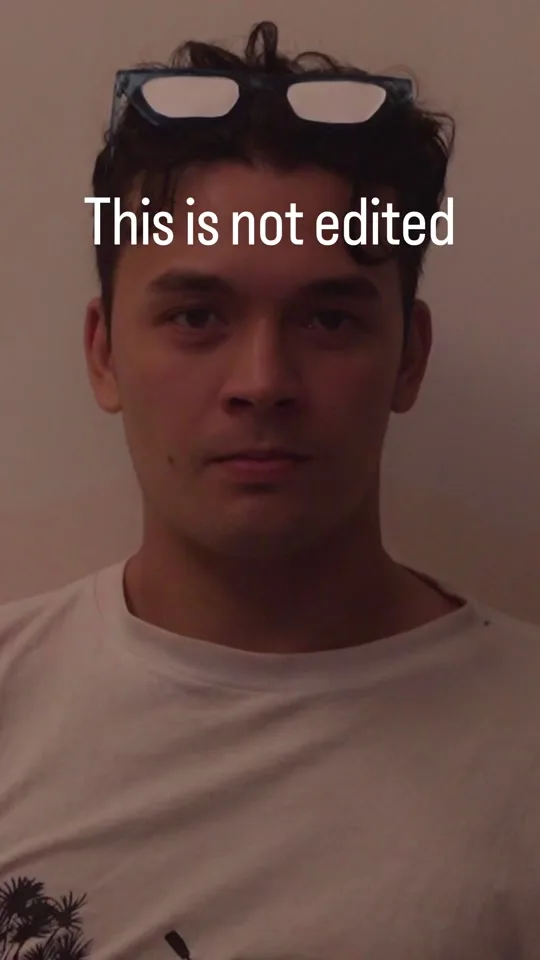
On the second of March this year, Claude was downloaded 149,000 times in the United States. ChatGPT, the same day, 124,000. Anthropic had bought a Super Bowl spot three weeks earlier, and the spot did what Super Bowl spots do: it lifted daily downloads from 62,000 to a peak of 225,000. But Appfigures, who watch these curves for a living, read the surge differently: word of mouth and press coverage doing what a Super Bowl ad is supposed to do. Claude has no Meta ads in our library at all. It has 144 videos, made by other people.
Look at who else is in this camp and a pattern appears that has nothing to do with marketing. Cricut sells a cutting machine, and its users film what they cut; the company credits influencer activations on earnings calls and holds 3.1 million paid subscribers. Zwift sells indoor cycling, and funds the community creators who review it, with no editorial control. TradingView grew, by its own account, 10% a month without advertising, because traders talk. HelloTalk runs four TikTok accounts per language and takes $1.1 million a month.
A machine. A bike. A market. A language. A model people argue about. Every one of these products generates content on its own, before a marketer touches it. That is why the camp is 3% of the top: organic first is not a strategy you pick. It is a property you either have or do not.
Claude Code has genuinely allowed me to build so many of my projects and I’m excited to partner with them for this video
 Claude by Anthropic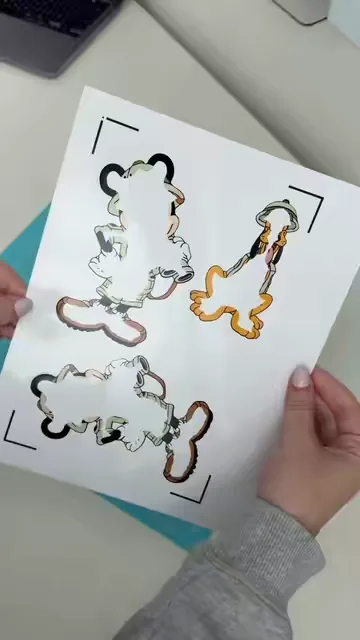
Sharing one of my favorite Cricut tricks that saves me so much ink! 💗✂️ #cricuttips #cricuthacks #cricutdesignspace #pri
 Cricut Design Space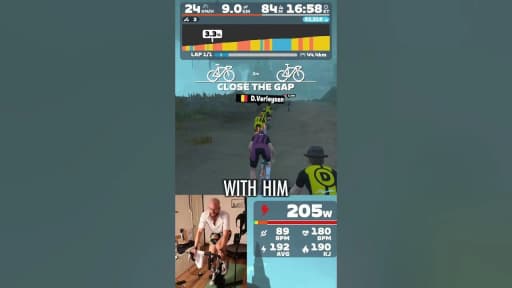
#zwift #zwiftracing #cycling #indoorcycling First ever race on Zwift did not go as planned

 Zwift
Zwift

The most-viewed videos we hold for Claude, Cricut and Zwift, none of them posted by the apps.
Paid + Organic: the calorie counter that did both
193 apps with 100+ creatives and 30+ videos. Median $1M a month, the richest camp, and the one that kept its installs this year.

ChatGPT
Productivity$361Ma month
- 580live creatives
- 311videos we hold

Duolingo
Education$66Ma month
- 354live creatives
- 275videos we hold

CapCut
Photo & Video$72Ma month
- 247live creatives
- 476videos we hold

LinkedIn
Business$63Ma month
- 243live creatives
- 221videos we hold

Roblox
Games$49Ma month
- 262live creatives
- 424videos we hold

Paid + Organic, by revenue.
Back to the calorie counter. Cal AI started in the organic camp on purpose: 250 influencers on a monthly retainer, the biggest deal tens of thousands a month for four posts, 20,000 to 30,000 downloads a day by the spring of 2025. Then the founders did the thing the organic-first camp usually cannot afford: they added paid on top. By January 2026 they were spending over a million dollars a month on ads on top of the creators, at $5.7 million in monthly revenue. A single MrBeast integration cost $500,000 and returned about $400,000 directly, and they did it anyway. In March, MyFitnessPal bought the company: 15 million downloads, $30 million a year, seven employees. Organic got them noticed. Paid got them sold.
This is the textbook camp and Duolingo wrote the textbook: $125.7 million on sales and marketing last year, up 39%, next to a TikTok account with 16 million followers, and a shareholder letter that blamed a slow quarter on posting less unhinged content. MyFitnessPal itself buys on Meta, TikTok, Apple Search Ads and Google while handing creators tracked links.
It costs the most, and in our data it pays the most: median revenue twice the paid-first camp, and the only camp whose median app held its January installs through May. The catch is in the name. You need both.
超過 40 種語言任你學,完全免費
免費學語言
Duolingo se siente como un juego y te ayuda a permanecer motivado.
Aprende idiomas jugando ¡y gratis!
Vire um desenho divertido com o ChatGPT Imagens

Experimente grátis
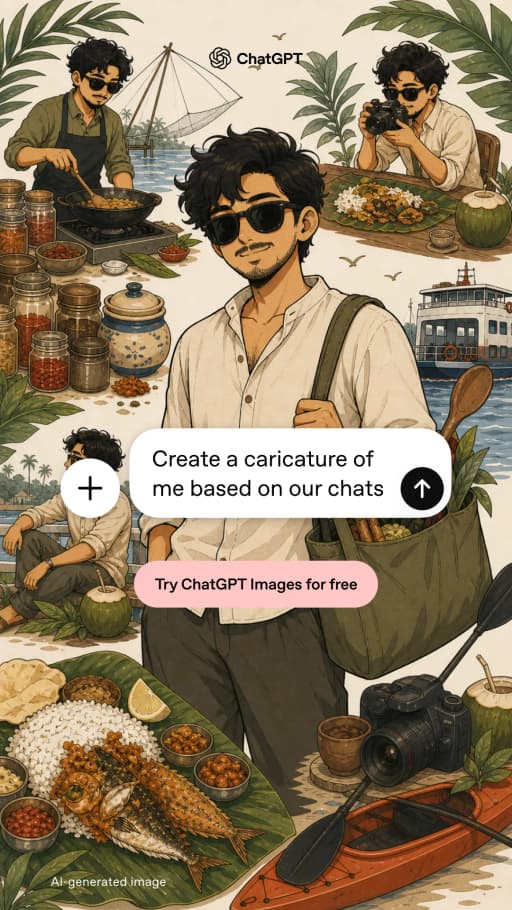
Duolingo and ChatGPT on Meta: their longest-running live creatives.
@Duolingo ЗАМЕТЬ @Duolingo Russia 🇷🇺 @DuolingoEspanol @Duolingo Ukraine 🇺🇦 #дуолинго #однажды #пасхалко #завтра
 Duolingo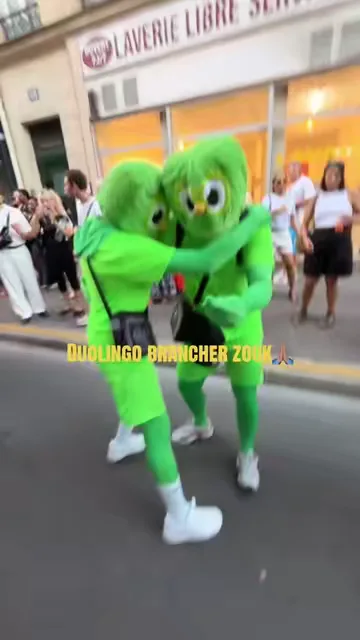
MDMMRMRMRKRLR @Duolingo France #fdlm #fetedelamusique #pourtoi #fyp #duolingo
Duolingo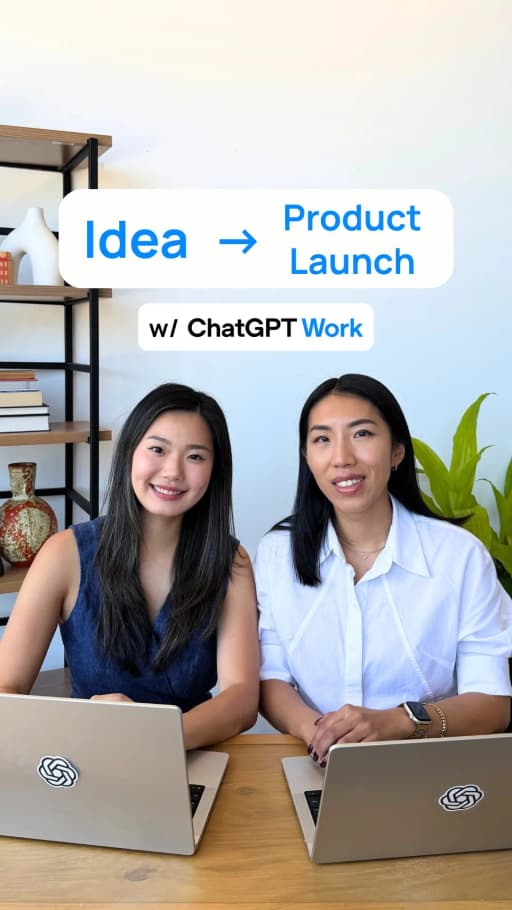
@chatgpt Work makes collaboration so much easier. As a Program Manager and Product Marketer, we’re able to brainstorm, p
 ChatGPT
The same two apps in the feed: the most-viewed creator videos we hold for them.
Neither: the ones who never had to learn
229 apps with no Meta ads and under ten videos. Median $300k a month, and the camp that shrank.

EA SPORTS FC Soccer Mobile 26
Games$18Ma month
- 0live creatives
- 0videos we hold

Discord
Communication$17Ma month
- 0live creatives
- 5videos we hold

Microsoft Word
Productivity$13Ma month
- 0live creatives
- 5videos we hold

Toca Boca World
Education$6Ma month
- 0live creatives
- 6videos we hold

TIDAL Music
Music$5Ma month
- 0live creatives
- 0videos we hold

Neither channel visible, by revenue.
EA Sports FC has 120 million players a month and a console franchise older than most of its players. Toca Boca has 62 million monthly players and a fan base that films itself. Discord grew on word of mouth in a category where word of mouth is the product. TIDAL laid off its product marketing team in 2024 and is still here.
These apps never had to learn marketing because something else did it for them: a console, an operating system, a school, a brand from another decade. They are the proof that neither channel is required, and they are useless as a model for anyone who does not have the other thing. They are also the camp that lost the most this year, down 16% in combined revenue and 17% in median installs since January. Distribution you did not build, it turns out, is distribution you cannot defend.
By category, the camps have a home
Share of matched $100k+ apps in each camp, categories with 30 or more sorted apps.
Each category's $100k+ apps by pattern, in percent.
1,505 apps at $100k+ a month with a matched Meta page · Ads and videos held in the library on 18 September 2026; revenue is the latest monthly estimate
The map confirms the story. Sports, Social Networking and Utilities are paid-first country, three in four apps, because a betting app or a storage cleaner has no fans to film it. Music and Entertainment are where both channels meet, one app in four and one in five, because songs and shows are content already. Organic first never passes 8% of any category. And a fifth of Games and Lifestyle run neither, which is old franchises and pre-installs, not a strategy anyone can copy.
One honest limit: we count Meta creatives only. TikTok ads, Apple Search Ads and Google App Campaigns are invisible here, and 9 of the top 10 grossing US apps run Apple Ads. A creative is a symptom of a budget, not the budget.
How to choose, in four questions
The camps are not preferences. Each one follows from what the product is.
Would a user ever film your product? Be honest. If the answer is no (a storage cleaner, a match-3 game, a second phone number), you are paid ads first, like seven in ten of the apps at $100k. Budget for 100+ live creatives, because that is the median of the camp, and read the next piece on how far the count actually takes you.
Does the product make its own content? A device people own, a community that talks, a market people watch, a language people are learning. If yes, organic first is open to you and it is the fastest-growing camp this year. It starts with the product, not the posting schedule, and it is 3% of the top for a reason.
Can you afford both? Then do both. It is the camp with the highest median revenue, $1M a month, and the only one whose median app kept its January installs through May. Cal AI is the template: creators first to get noticed, paid on top to get sold.
Do you already have distribution from somewhere else? A console, an OS, a school, a brand from another decade. Then this article has nothing to teach you, except that the camp shrank this year. Everyone else picks one of the first three.