$100k a month onunder 10,000 installs
· 103 apps found among 2,560 analyzed ·














Intro
A man in Japan told the Wall Street Journal he had spent $70,000 on one mobile game, $2,500 of it on a single character. Some people, he said, spend $18 on a movie and feel moved; this moved him. He is the customer behind a class of app nobody writes about: 103 apps in our library make $100,000 or more a month on fewer than 10,000 installs. We took the list outside our data, to pricing pages, filings and other vendors, and about a dozen hold up beyond doubt. They come in three kinds.
The 103 apps at $100k+ a month on under 10,000 installs, by kind.
2,560 apps with a latest revenue estimate of $100k+ a month · Latest monthly estimate per app, snapshot of 18 September 2026
Every conversation about app revenue starts with installs. Here is a list that breaks the rule. Our estimates put 103 apps at $100,000 or more a month on fewer than 10,000 installs in the same month, out of 2,560 apps at that revenue level. The median one takes $22 per install, where the typical $100k app takes $2.78. The median one is 6.7 years old. Two in three are App Store only.
Moloco, which sees the ad side of the industry, put a number on the phenomenon last year: the top 5% of iOS payers in the United States are 0.02% of installs and 20% of all the money spent inside games. And in a study of whale-driven games this August, 87% of the people who would become an app's biggest spenders had not bought anything in their first month. Whales are not acquired. They are grown, over years, which is why a game with 5,000 installs this month can still be printing money from the ones it took in 2019.
Games built for the few hundred people who spend thousands
42 of the 103. Strategy, gacha and casino titles whose coin packs top out at $99.99 and whose players stay for years.

Rise of Castles
Games$114per install, our estimate
- $800ka month
- 7kinstalls a month

Fate/Grand Order (English)
Games$133per install, our estimate
- $800ka month
- 6kinstalls a month

Guns of Glory
Games$200per install, our estimate
- $1Ma month
- 5kinstalls a month

Caesars Slots
Games$143per install, our estimate
- $1Ma month
- 7kinstalls a month

Game of Thrones Slots Casino
Games$100per install, our estimate
- $900ka month
- 9kinstalls a month
The ones that hold up outside our data.
I have been playing this game for 6 years. I have to wake up at 4:30 am to get the game caught up before I can get to work.
Rise of Castles is the cleanest case. It is eight years old, published under a trademark by a Hong Kong company with a Beijing studio behind it, and it has 19,000 ratings on the US App Store. Sensor Tower's quarterly ranking had it taking $571,000 a week in the US at its spring 2025 peak, from about 15,000 active users and 4,000 weekly installs. Thirty-eight dollars per active player per week. Our estimate, $800k a month on 7k installs, is the conservative reading. The reviews are the human one: a player who says he spent $50,000 over the years and leads his kingdom's main alliance; another who says $200,000; a third: if you are not willing to spend thirty, forty, fifty thousand, do not play. The store copy sells alliance warfare against other servers. What it sells is standing in a five-year-old community, and standing is not transferable: you cannot move a level-21 castle to another server.
Fate/Grand Order is the extreme case. Sensor Tower puts its lifetime spend above $7 billion, and over the last three years its revenue per download in Japan was $500 to $600, against $100 to $200 for the other big gacha games; fewer than one install in five is paid for. Its US players price the certainty of getting one advertised character at $400 to $1,000. The $70,000 man is its customer.
Then the casinos. Playtika, which owns Caesars Slots, told the SEC in its annual report that 4.4% of its daily users pay, 370,000 of them, and that a small percentage of users generate a majority of revenue; the arithmetic is about $20 per paying user per day. Caesars Slots has 48 million lifetime downloads and 200,000 daily players. Today's installs are irrelevant to today's revenue. Game of Thrones Slots has a reviewer whose login streak is 2,250 days, and another who reports that a hundred dollars buys about two hours.
real rts game just for you
⚔️Ultimate 4X Strategy Game👑
real rts game just for you
⚔️Ultimate 4X Strategy Game👑
Jump back into Caesars Slots! Free spins, massive coin rewards, and nonstop fun. Free-to-play
Ready for Another Big Win?
How a whale game advertises: the longest-running live creatives of Rise of Castles and Caesars Slots on Meta.
Tools with a business price on a consumer store
A photo booth for event companies, a second phone line for people who work from their phone, a golf GPS priced per weekend, and one VPN at $9.99 a week.


Priced like software, sold like an app.
Nobody installs LumaBooth by accident. It runs the iPad inside a rented photo booth, and its buyer is a company that charges five hundred to fifteen hundred dollars a wedding. Lumasoft, one founder, no press, in business since 2010, charges $19.99 a month for the first two iPads and more for each one after; the install is a capital purchase, and the customer pays for years. Sideline sells a second phone number at $14.49 a month or $129.99 a year, from a company founded in 2005 by the people who ran the business side of the Treo at Handspring. It is priced against a phone line, not against apps. GolfLogix was founded in 1999, mapped 40,000 courses, and charges $6.99 a week: the app is a toll booth on a database, and the toll is per round.
RevenueCat's benchmark for business apps puts the median first-year value of a paying user at $35. Sideline charges $174. The top 5% of subscription apps now earn 400 times the bottom quarter, up from 200 times a year earlier. The tail is fattening, and it is fattening at prices most app founders would not dare to type into a paywall.
The fourth card is the ugly cousin. VPN Lumos charges $9.99 a week, and its reviews are what you would expect. It is on the list for the same reason the others are, a price that has nothing to do with the store around it, and for none of the same virtues.
Subscriptions sold to an audience that existed before the app
Live concert recordings, an art-house film channel, a live-streaming stage. The app is where existing fans pay.


Brad Serling went to 135 Grateful Dead shows and started nugs.net in 1993 to share the tapes with the band's permission. The app store arrived fifteen years later. nugs now streams 30,000 official live recordings at $14.99 a month, above Spotify for a catalogue Spotify does not have, and grew subscribers 20% last year selling to people who already follow the bands.
The Criterion Channel is the streaming service that was cancelled for being too small. Its predecessor, FilmStruck, was shut down by WarnerMedia in 2018 at about 100,000 subscribers. Criterion relaunched it alone, at $10.99 a month, and has not raised the price since while every other streamer doubled. That is retention by not annoying people, sold to cinephiles who knew the catalogue for decades before there was an app.
17LIVE is the same shape at industrial scale: a listed company, $158.8 million in revenue last year, from users buying points to send gifts to streamers. Its filings from its listing showed about $300 per paying user per year and a monthly audience that shrank from 1.5 million to 550,000. Fewer people, each paying more. It is Fate/Grand Order with a human on the other end.

you don't have to miss @Rainbow Kitten Surprise at @Red Rocks Amphitheatre tonight 🫶 watch live on nugs with an All Acc

 nugs
nugs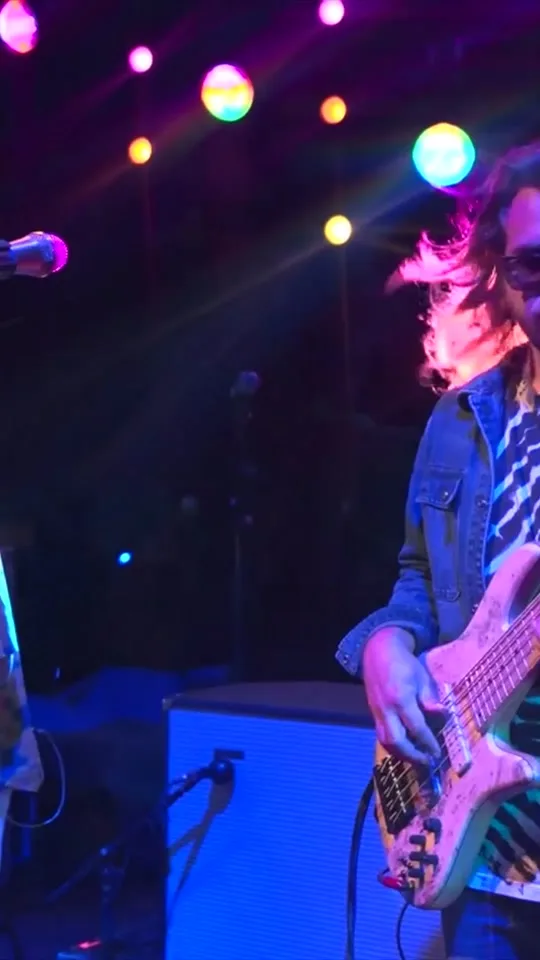
Relive @Goose’s weekend in paradise in the app 🌴 all three shows featuring sit-ins from @cory wong and Jim James are now
nugs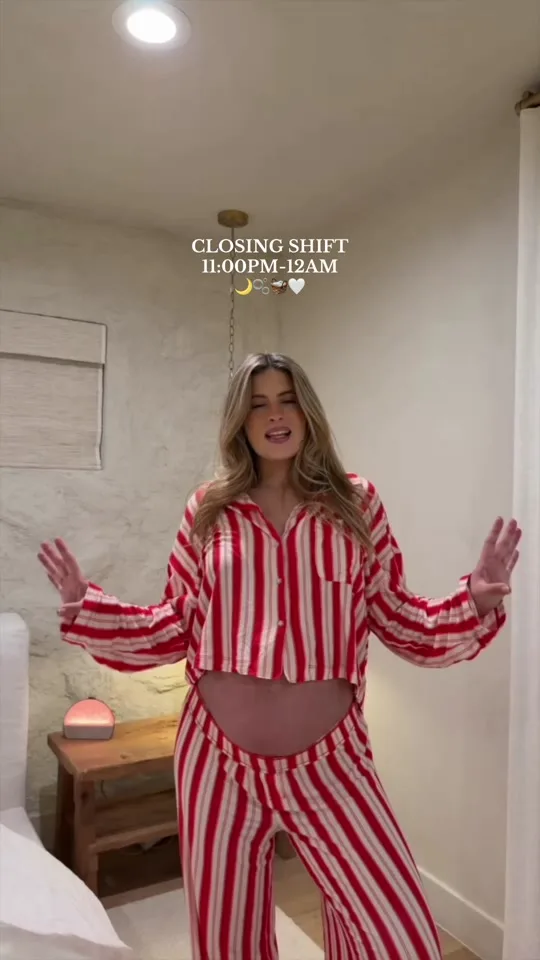
CLOSING SHIFT 🌙🤍 setting myself up for a successful morning with the @Hatch for Sleep on my bedside 🫶🏼 taking sleep seri
 Alive by Whitney
The most-viewed creator videos we hold for nugs and Alive by Whitney Simmons.
Where our list is wrong, or cannot be checked
Three apps we would have put in the article on our numbers alone.

Stormshot
Sensor Tower shows ~30k US installs a month
$100per install, our estimate
- $800ka month
- 8kinstalls a month

Alive by Whitney Simmons
outside estimate: $500k to $1M a year
$70per install, our estimate
- $420ka month
- 6kinstalls a month

Panthia®
No Outside Figure Exists$200per install, our estimate
- $1Ma month
- 5kinstalls a month
Our estimate, and what the outside says.
How to use it, in three kinds
If your install forecast is small, that is not a verdict. It is a choice of model.
A tool with a narrow job and a business price. LumaBooth, Sideline, GolfLogix. No creators, no charts, a customer who pays because the alternative costs more. Price it against what it replaces, not against the app next to it.
A subscription to a person or a catalogue that already has fans. nugs, Criterion, 17LIVE. The audience must exist first; the app is the till. If you have to build the audience and the app, you are in a different business.
A game designed so that 4% of players pay for everyone. Rise of Castles, Fate/Grand Order, Caesars Slots. This takes a decade, a $99.99 pack, and a community people cannot leave without losing their standing. It is the most profitable model on the list and the one a small team should copy last.